University of Szeged
Faculty of Humanities and Social Sciences

Are you passionate about immersing yourself in the vibrant cultures of Central and Eastern Europe? Do you have a love for traditional music and dance? Are you interested in practice and theory too? If so, we invite you to join us for an unforgettable journey at our upcoming summer school focused on traditional dance and music in the heart of this culturally rich region at the University of Szeged, Hungary, in the City of Sunshine!
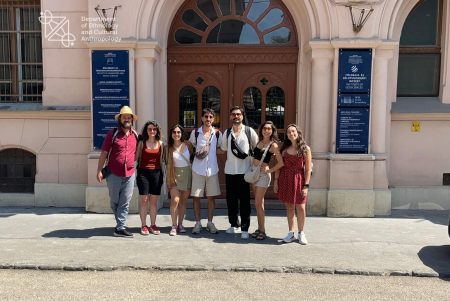
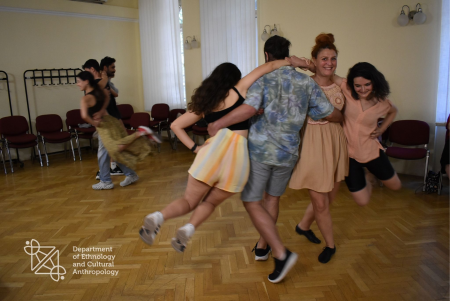
Participants will be introduced to the main aspects and methods of the scientific approaches to the dance and music culture of the Carpathian Basin and will be provided with tools to understand cultural differences and to examine the specificities of their own culture, including music and dance. They will gain an understanding of the social roles and functions of music and dance culture and become acquainted with the most important online and offline archives, databases, and archiving systems. In addition to theory, there is a strong emphasis on practical dance and music experience, applying a workshop-oriented style in teaching.
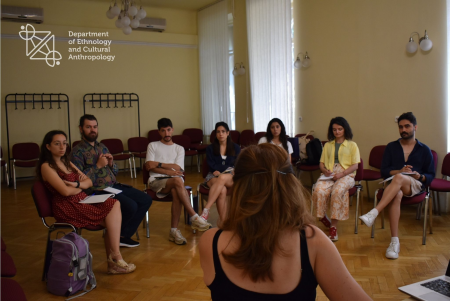
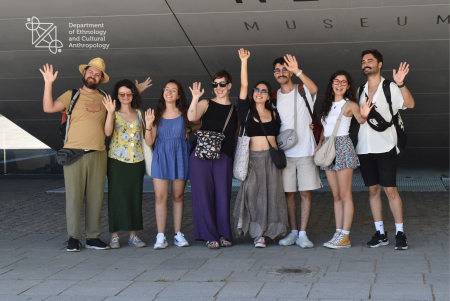
Expect to be part of an experience with interactive classes, small fieldwork practice and lots of dance and music, while not only gaining knowledge, but finding a new community as well! Join Hungary’s leading hub for training dance researchers and leave with an adaptable skillset!
’The summer school has enhanced my confidence and somehow improved my communication skills, I know where to use certain words and there is a lot of new information I gained. I would say that it's just not only the knowledge about the course but it's also contributing to my personal growth as a dance student.’
’Of course I will come back because I think it is a good opportunity where we can share, learn and observe how do the people outside of our country working on something especially in dance research. It's very fascinating to be surrounded by diverse nationalities and to discover and discuss about dance and music from many perspectives.’
’I found the interactive and participatory nature of the classes, especially those that combined theory and practice, very successful. For instance, discussing the dances we had just learned, reflecting on how they made us feel, and trying to reach a sense of coherence through these reflections was a very effective approach. Talking about video examples during the lessons also engaged the students and helped us remain actively involved in the class. To introduce our own cultural examples to thee class was also an engaging criteria.’
Organizers: Dr. Vivien Apjok, Dr. Kinga Povedák and Dr. Sándor Varga
Department of Ethnology and Cultural Anthropology (University of Szeged)
Contact us: neprajz.btk@szte.hu